How to Clean and Maintain Silk Flowers: Complete Guide
Silk flowers bring timeless beauty to your home, wedding, or business — but they need regular cleaning to stay vibrant. Learn 6 proven methods to remove dust, restore shine, and extend the life of your artificial blooms in this step-by-step guide.
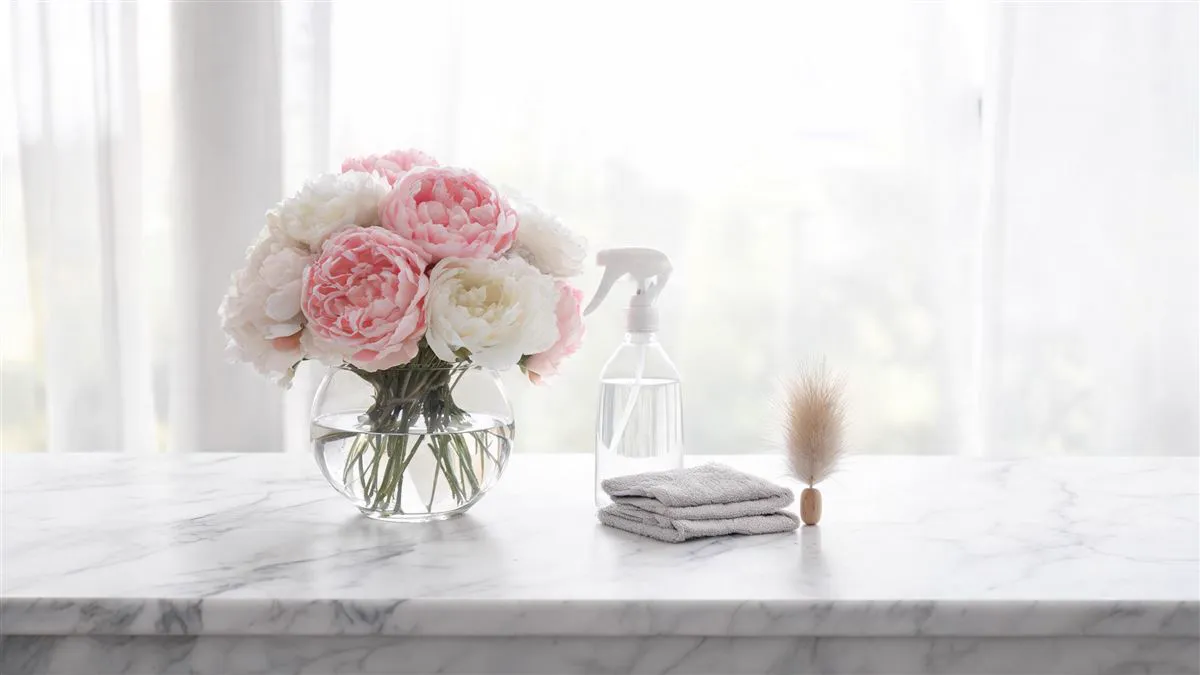
Silk and artificial flowers are a fantastic investment. They never wilt, don’t need water, and can last for years with proper care. But over time, dust, pollen, and airborne grime settle on delicate petals and leaves, making your arrangements look dull and faded.
The good news? Cleaning silk flowers is easy — if you do it the right way. In this guide, we’ll walk you through six proven cleaning methods ranging from simple dusting to deep washing, plus maintenance tips that will keep your silk flowers looking fresh and realistic for years to come.
📝 Quick Summary
For light dust: use a feather duster or hairdryer on cool. For moderate dirt: use a soft brush or microfiber cloth. For heavy buildup: try the salt shake method or gentle hand washing. Always test on an inconspicuous petal first.
Why Clean Your Silk Flowers Regularly?
You might be wondering — if they’re “fake” flowers, does cleaning really matter? The answer is a resounding yes. Here’s why:
- Preserves color vibrancy: Dust settles into fabric fibers and creates a dull, grayish film that makes colors appear faded. Regular cleaning keeps petals bright and realistic.
- Extends lifespan: Built-up dust and oil can break down fabric dyes and weaken glue bonds over time. Clean flowers last 2-3x longer than neglected ones.
- Improves air quality: Dusty artificial flowers can release particles into the air, potentially triggering allergies. A quick wipe-down reduces airborne dust.
- Maintains realism: The biggest giveaway that flowers are artificial? A thick layer of visible dust. Clean silk flowers look indistinguishable from fresh ones.
How often should you clean them? For home arrangements, aim for every 2-4 weeks with a light dusting, and a deep clean every 2-3 months. For wedding flowers or event arrangements, clean them before and after each use to keep them in rental-ready condition.
What You’ll Need
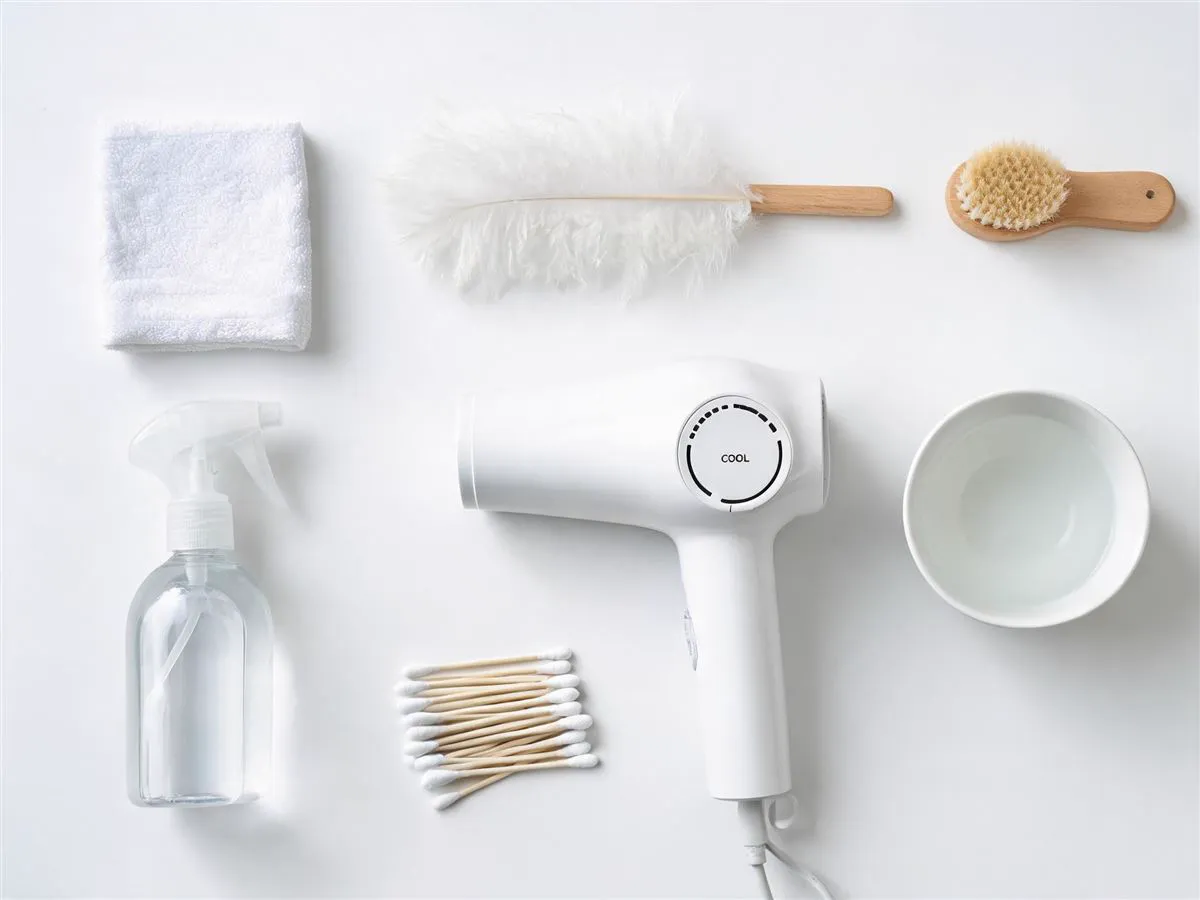
Before you start, gather your supplies. You won’t need everything on this list — pick the tools that match your cleaning method:
Soft ostrich feathers work best
Lint-free, soft cloth
Paintbrush or makeup brush
For tiny crevices
With clean water
For the salt shake method
Unscented, clear formula
With cool setting only
⚠️ Important: What to Avoid
Never use hot water, bleach, harsh chemicals, or abrasive cleaners on silk flowers. Never use a hairdryer on the warm or hot setting — heat can melt glue, warp plastic stems, and cause fabric to fade. Always test any cleaning method on a hidden area first.
6 Methods to Clean Silk Flowers (Step-by-Step)
Choose the method that matches how dirty your flowers are and what type of artificial flowers you have. We’ve ordered them from gentlest to most intensive.
Method 1: Feather Duster (Light Dust)
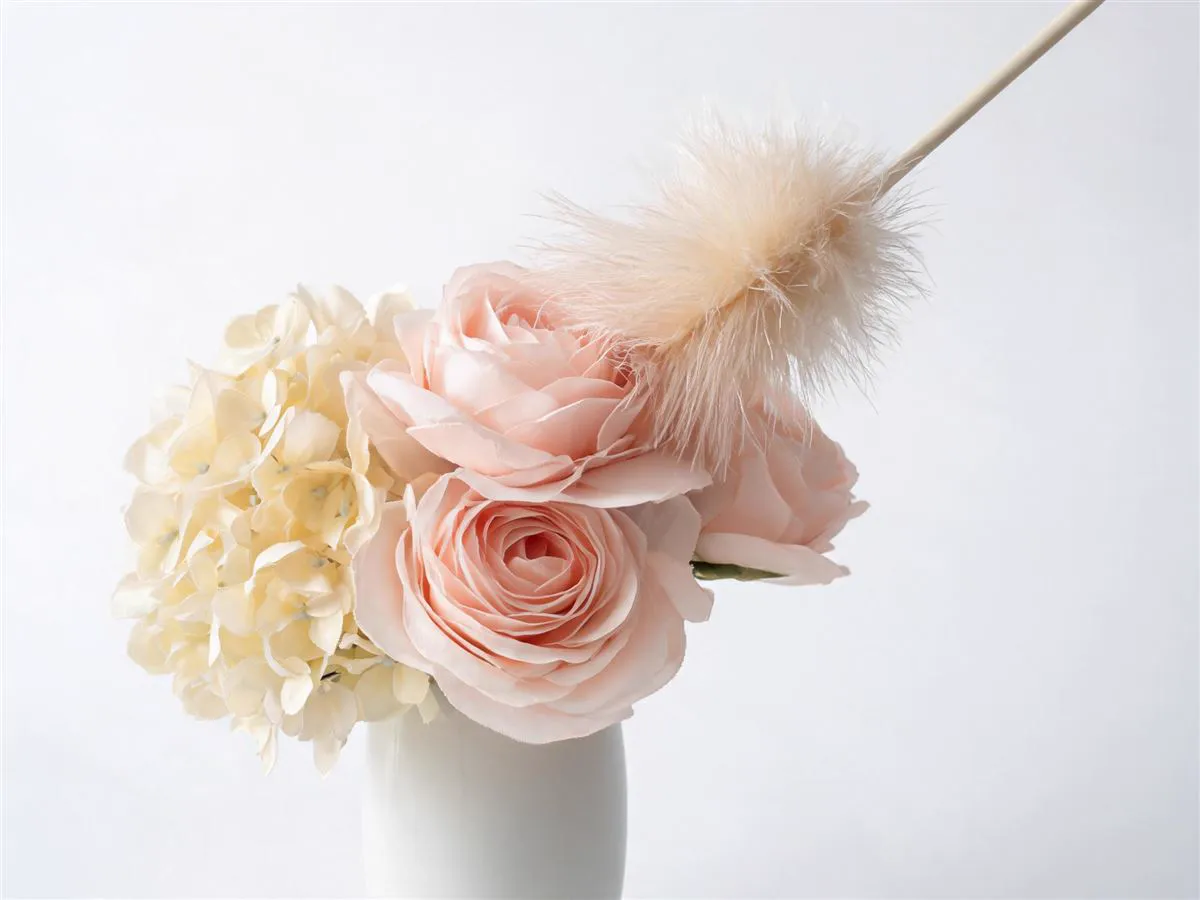
This is the easiest and gentlest method, perfect for weekly maintenance of lightly dusty arrangements. An ostrich feather duster attracts dust like a magnet without damaging delicate petals.
Take the arrangement outside
Bring your flower arrangement outside or to a well-ventilated area. This prevents dislodged dust from settling on furniture and floors in your home. Place the arrangement on a clean surface at a comfortable height.
Dust from top to bottom
Gently glide the feather duster over each flower, starting from the top of the arrangement and working your way down. Use light, sweeping motions — you don’t need to press hard. Pay extra attention to the centers of flowers where dust tends to accumulate.
Dust leaves and stems
Don’t forget the greenery! Run the duster along stems and the tops and undersides of leaves. Hold each leaf gently with one hand while dusting with the other to avoid bending or breaking.
Shake gently and inspect
Give the vase a gentle tap on the side to dislodge any remaining dust from deep inside the arrangement. Take a step back and check your work. If you still see dust, repeat the process or move to a more intensive method.
💡 Pro Tip
If you don’t have a feather duster, you can use a hairdryer on the cool setting held 6-8 inches away. The air pressure blows dust off petals without touching them. Never use warm or hot air — it can damage your flowers.
Method 2: Microfiber Cloth Wipe (Moderate Dust)
For arrangements that have been sitting for a month or two and have a visible layer of dust, a microfiber cloth works wonders. The tiny fibers in the cloth grab and hold onto dust particles better than a regular cloth.
Prepare your cloth
Take a clean, dry microfiber cloth. If the dust is really caked on, you can lightly dampen the cloth with distilled water — but make sure it’s only slightly damp, not wet. Squeeze out any excess water thoroughly.
Wipe each petal individually
Gently wipe each petal with the cloth, using a light patting or stroking motion. Don’t rub hard or scrub — this can damage the delicate fabric and cause fraying. Support the back of each petal with your other hand while wiping the front.
Clean crevices with cotton swabs
For flower centers, tiny petals, and tight spots where a cloth can’t reach, use a dry cotton swab. Roll the swab gently across the surface to pick up dust. Replace swabs as they get dirty.
Air dry if damp
If you used a damp cloth, let the flowers air dry completely before putting the arrangement back on display. Place them in a well-ventilated area away from direct sunlight to prevent color fading.
Method 3: Soft Brush Technique (Delicate Flowers)
For very delicate flowers with fine petals — like baby’s breath, lavender, or fine ferns — a soft bristle brush is gentler than a cloth. A clean makeup brush, paintbrush, or even a new toothbrush works perfectly.
Choose the right brush
Select a brush with soft, natural bristles. Synthetic bristles can be too stiff and may snag delicate fabric. Make sure the brush is completely clean and free of any makeup, paint, or other products.
Brush with the grain
Lightly brush each petal in the direction of the fabric grain — typically from the center outward. Use very light pressure; the weight of the brush itself should be enough. For tiny flowers, use just the tip of the brush.
Tap the brush frequently
Tap the brush against the edge of a trash can or your hand every few seconds to remove dust from the bristles. Otherwise, you’ll just be moving dust from one flower to another.
Method 4: Salt Shake (Small Flowers & Loose Blooms)
The salt shake method is a clever trick for cleaning loose flower heads, individual stems, or small bouquets that can be removed from their arrangement. The coarse salt acts like a gentle abrasive that lifts dust without damaging petals.
Prepare a bag with salt
Take a clean plastic or paper bag that’s large enough to hold your flowers without crushing them. Add about ½ cup of coarse table salt or rock salt to the bottom of the bag. The salt grains will act as tiny scrubbers.
Add flowers and seal
Place the flower heads or individual stems inside the bag. Make sure they’re not too crowded — you want room for them to move around. Seal the bag tightly, leaving a little air inside so things can shake around.
Shake gently
Shake the bag gently for 1-2 minutes. The salt will bounce off the petals and pick up dust as it goes. Don’t shake too hard — you don’t want to bend or break the flowers. Turn the bag upside down a few times to make sure salt reaches all sides.
Remove and brush off salt
Take the flowers out of the bag and gently shake off the salt. Use a soft brush or your hairdryer on cool to blow away any remaining salt grains. Inspect each flower — the dust should be gone, leaving petals looking fresh and bright.
💬 Why Salt Works
Salt is abrasive enough to lift dust and grime from fabric petals but soft enough that it won’t scratch or damage the silk material. It’s also completely natural and leaves no residue. Just make sure you get all the salt off afterward!
Method 5: Gentle Water Rinse (Washable Flowers)
For heavily soiled flowers that are labeled as washable, a gentle water rinse can be very effective. Note: not all silk flowers are water-safe — check the care instructions first. This method works best for plastic-based or coated artificial flowers rather than pure silk fabric ones.
Test first
Always test a small, hidden area first — like the back of a leaf or an inner petal. Dampen a cotton swab and gently rub the area. If the color runs, the fabric feels sticky, or the glue loosens, do NOT use water.
Prepare lukewarm water
Fill a clean basin or sink with lukewarm (not hot!) water. Add a tiny drop of mild, clear dish soap — just a drop, not a squeeze. Too much soap can leave a residue that’s hard to rinse off. Swirl gently to mix.
Swish gently
Dunk the flower heads in the water and swish them around gently. Don’t scrub, twist, or wring them — let the soapy water do the work. For extra-dirty spots, gently pat with your fingertips. Keep stems above water if they’re not waterproof.
Rinse and dry
Drain the soapy water and refill with clean, cool water. Swish the flowers again to rinse off all soap. Remove from water and gently shake off excess water. Lay flowers flat on a clean towel and let them air dry completely — this can take several hours to a full day.
⚠️ Water Warning
Pure silk fabric flowers are NOT washable. Water can cause silk to lose its sheen, bleed dye, or lose its shape. Use water only on polyurethane (PU), plastic, or coated artificial flowers. If you’re unsure, stick to dry cleaning methods.
Method 6: Professional Silk Flower Cleaner
If you have high-quality, expensive arrangements or wedding bouquets that need to look perfect, consider using a commercial silk flower cleaner. These specially formulated sprays are designed to lift dust and restore shine without damaging delicate blooms.
Choose a quality cleaner
Look for a product specifically designed for silk and artificial flowers. Avoid all-purpose cleaners or furniture polishes — they can leave a sticky residue that attracts more dust. Read reviews and follow the manufacturer’s instructions carefully.
Spray lightly
Hold the can about 12-18 inches away from the flowers and spray lightly in a sweeping motion. Don’t saturate the flowers — a light mist is all you need. Make sure to cover all sides of the arrangement, including the undersides of leaves.
Let it drip dry
Most spray cleaners are designed to drip off, taking dust and dirt with them. Place the arrangement over a towel or in a sink and let it drip dry completely. Don’t wipe or pat dry — this can leave streaks.
How to Clean Specific Types of Artificial Flowers
Different materials require different cleaning approaches. Here’s what you need to know about the most common types:
Silk Flowers
Pure silk flowers are the most delicate. Stick to dry cleaning methods — feather dusting, brushing, or the salt shake method. Avoid water unless the manufacturer explicitly says it’s safe. If you need to spot clean, use a barely damp cloth and let dry immediately. Browse our premium silk flower collection for durable, easy-to-care-for blooms.
Real-Touch (Latex/PU) Flowers
Real-touch flowers coated in latex or PU are more durable than pure silk. They can handle slightly more aggressive cleaning, including gentle wiping with a damp cloth. Avoid harsh chemicals that could break down the coating over time. Learn more about real-touch vs. silk flowers in our detailed comparison.
Plastic and PE Flowers
Plastic and polyethylene (PE) flowers are the most durable and easiest to clean. You can rinse them with water, wipe them with a damp cloth, or even use a mild soap solution. They’re great for outdoor use where they get exposed to the elements.
Greenery and Foliage
Artificial leaves and greenery tend to accumulate dust on both surfaces. Use a microfiber cloth to wipe the tops and undersides of leaves. For bushy plants like eucalyptus or ferns, a hairdryer on cool works well to blast dust out of hard-to-reach spots.
Maintenance Tips to Keep Flowers Clean Longer
An ounce of prevention is worth a pound of cure. Follow these tips to reduce how often you need to deep clean your artificial flowers:
Choose the Right Location
Where you place your flowers makes a big difference in how quickly they get dusty. Avoid placing arrangements near open windows, air vents, or ceiling fans — these blow dust directly onto your blooms. Also keep them away from kitchens where grease can accumulate on petals, and bathrooms where humidity can promote mold growth on dust buildup.
Dust Weekly
A quick 2-minute dusting with a feather duster once a week prevents dust from building up. It’s much easier to remove a thin layer of fresh dust than a thick, caked-on layer that’s been sitting for months. Make it part of your regular cleaning routine.
Use Display Cases for Valuable Pieces
If you have expensive or sentimental arrangements, consider displaying them under a glass cloche or in a display cabinet. This keeps them dust-free and protected from accidental damage. It also adds an elegant touch to your decor.
Proper Storage
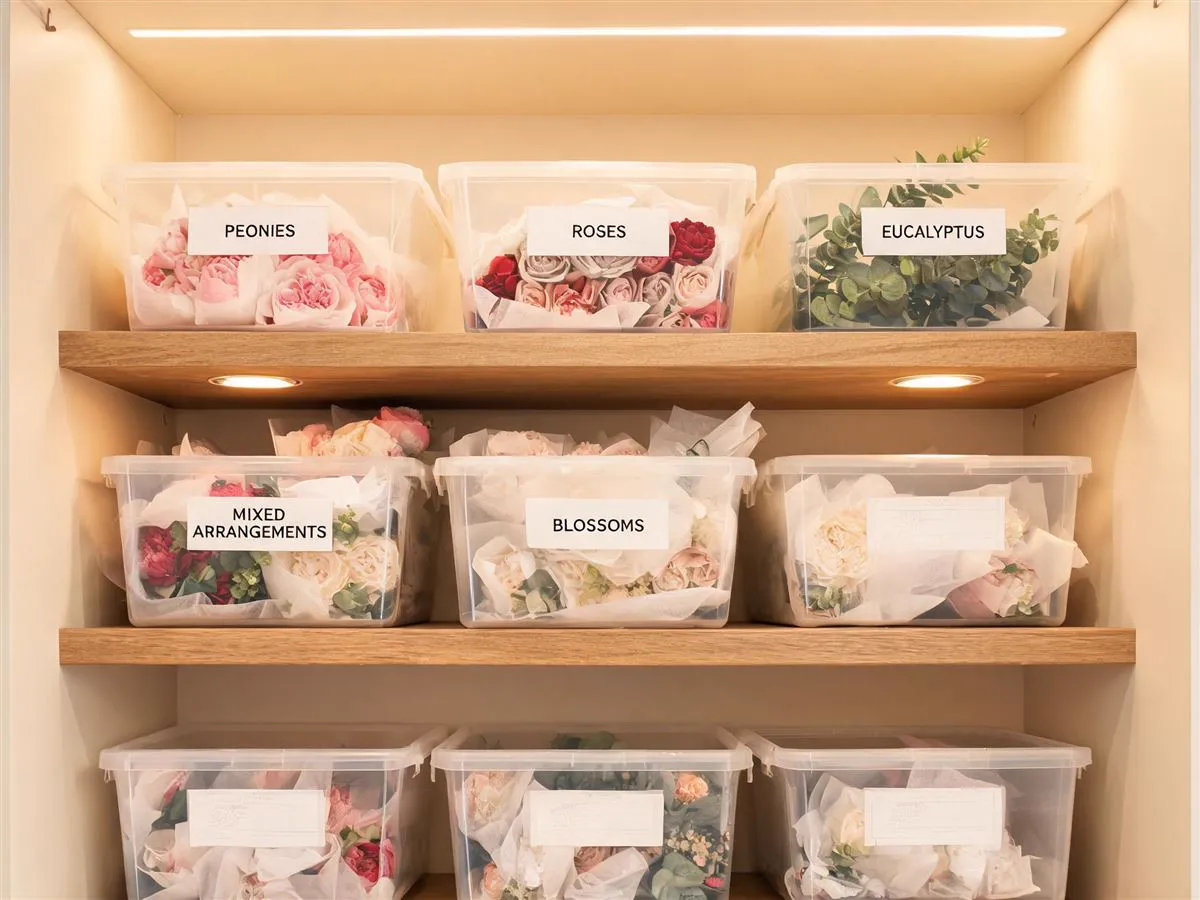
When storing artificial flowers — whether seasonal decorations or event inventory — pack them carefully in acid-free tissue paper and place them in breathable storage boxes. Avoid plastic bags that can trap moisture. Label each box so you know what’s inside without having to dig through everything.
💡 Storage Pro Tip
For individual stems and loose blooms, store them upright in a tall box with crumpled tissue paper to support the flower heads. Lay flat arrangements in shallow boxes with plenty of padding to prevent crushing.
Refresh with Silk Flower Spray
Between deep cleanings, you can use a silk flower refresher spray to restore shine and make petals look dewy. These sprays typically come in scented and unscented varieties. Use them sparingly — too much can leave a sticky residue.
When to Replace Your Silk Flowers
Even with the best care, artificial flowers won’t last forever. Here are signs it might be time for a refresh:
- Faded colors that cleaning can’t restore — especially on arrangements placed in direct sunlight
- Frayed or torn petals that can’t be trimmed or repaired
- Loose or broken stems where the glue has completely failed
- Sticky or greasy residue that can’t be removed by any cleaning method
- Mold or mildew growth — this can happen if flowers are stored while still damp
The good news? Quality artificial flowers from a reputable manufacturer like Hiway can last 5-10 years or more with proper care. That’s years of beauty with no watering, no wilting, and no pollen allergies.
For businesses and event planners, investing in high-quality artificial flowers that are easy to clean and maintain can save thousands of dollars compared to fresh flowers over time. If you’re looking to stock up for your business, check out our OEM and bulk ordering options.
Final Thoughts
Cleaning silk flowers doesn’t have to be complicated or time-consuming. With the right tools and techniques, you can keep your artificial arrangements looking fresh, vibrant, and incredibly realistic for years. The key is regular light maintenance — a quick dusting every couple of weeks is far easier than trying to remove months of built-up grime.
Start with the gentlest method that might work (feather duster or cool air), and work your way up to more intensive methods only if needed. Always test on an inconspicuous spot first, and never use hot water or harsh chemicals on silk flowers.
Remember: the better you care for your artificial flowers, the longer they’ll continue to bring beauty and joy to your space. A little maintenance goes a long way!
Looking for more flower care tips and decor inspiration? Browse our blog for more helpful guides, or check out our article on the 15 best artificial flowers for home decor in 2026.
Frequently Asked Questions
Looking for High-Quality, Easy-Care Artificial Flowers?
Hiway manufactures premium silk and real-touch flowers designed to last for years with minimal maintenance. Wholesale, OEM, and custom options available. Request a free catalog today!
Get a Free QuoteHave Questions? Get in Touch
Have questions about cleaning or caring for your artificial flowers? Send us a message and our team will get back to you within 24 hours.