Real Flowers vs. Fake Flowers for a Wedding: Overview
Choosing between fake flowers vs real flowers is one of the most critical aesthetic and budget decisions when planning wedding floral decor. While fresh blossoms carry centuries of heritage, modern artificial alternatives offer unprecedented convenience, durability, and visual consistency for celebrations worldwide.
The Tradition of Fresh Wedding Blooms
Fresh flowers have long defined classic wedding ceremonies, bringing unmatched organic romance to the venue.
- Sensory Appeal: Natural, subtle fragrance and soft organic textures.
- Cultural Legacy: A time-honored symbol of growth, romance, and seasonal beauty.
- Unique Character: Natural variations in every petal ensure a bespoke arrangement.
The Rise of Premium Silk and Artificial Flowers
Advances in textile manufacturing have elevated artificial wedding flowers from cheap imitations to high-end, real-touch silk flowers.
- Uncompromising Realism: Modern luxury faux blooms replicate delicate textures, structural veining, and realistic color gradients.
- Guaranteed Availability: Secures out-of-season blooms without weather risks or last-minute price spikes.
- Stress-Free Planning: Eliminates wilting concerns, hydration needs, and tight setup schedules for wedding bouquets and centerpieces.
Cost Comparison: Are Fake Wedding Flowers Actually Cheaper?
When comparing fake flowers vs. real flowers for a wedding, the true financial picture involves far more than just the price tag on a single bouquet. While fresh floral arrangements carry heavy labor and preservation fees, artificial wedding flowers offer direct control over your budget and strong long-term value.
Initial Purchase Price vs. Long-Term Value
Fresh blooms are a single-day expense that ends in the trash, while high-grade faux stems act as an asset. You can resell your artificial centerpieces post-wedding to recoup cash, rent them out, or repurpose bouquets as permanent home decor.
| Cost Factor | Fresh Wedding Flowers | Artificial Wedding Flowers |
|---|---|---|
| Average Upfront Expense | High ($2,500 – $6,000+) | Moderate ($600 – $2,500) |
| Post-Event Value | $0 (Single-use waste) | 40% – 60% cost recovery via resale |
| Handling & Prep Labor | High (Requires professional florists) | Low (DIY setup friendly) |
| Longevity | 1 – 3 days max | Indefinite keepsake |
Hidden Costs of Real Flowers: Transport, Storage, and Care
The initial quote for fresh flowers rarely reflects the final bill. Working with live botanicals introduces costly logistical hurdles:
- Refrigerated Transport: Live flowers require climate-controlled vehicles to prevent wilting during delivery.
- On-Site Hydration & Storage: Stems must be kept in specialized coolers, prepped, and placed in heavy water containers right up to event time.
- Day-Of Floral Labor: You pay premium hourly rates for a florist crew to construct arches, pin boutonnieres, and tear down dying arrangements late at night.
Manufacturing Quality and Design Costs of Faux Blooms
Not all faux stems are created equal. High-end artificial flowers require advanced polymer moulding, hand-dyed fabrics, and detailed stem construction to match natural texture and movement.
Understanding the differences between real-touch vs silk wedding flowers helps explain why premium artificial botanicals carry higher upfront material prices than basic craft-store options. However, even top-tier faux florals save you money overall by eliminating refrigeration, fragile handling, and expensive on-site florist labor.
Pros and Cons of Real Wedding Flowers
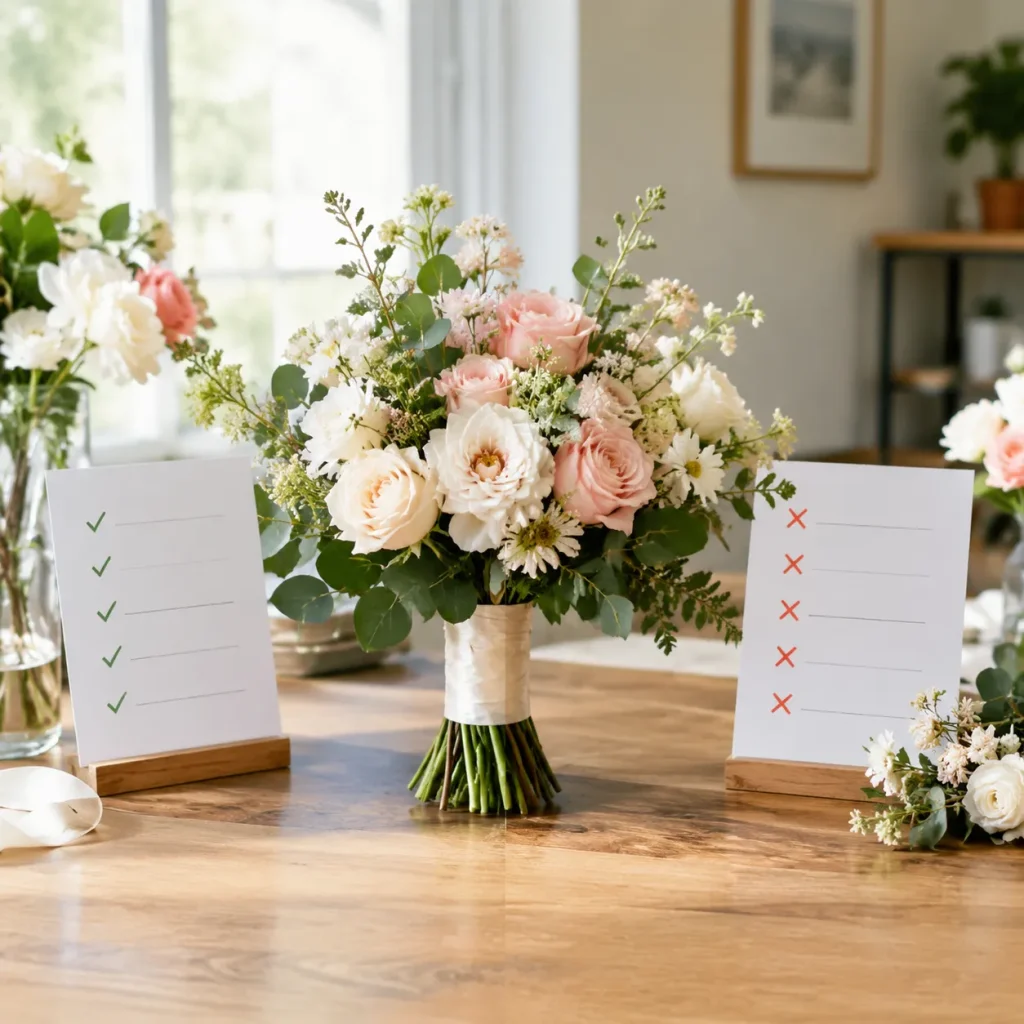
I’ve worked with hundreds of couples planning their decor, and fresh blooms remain the classic benchmark for a reason. However, going completely natural comes with distinct trade-offs that every couple must weigh before signing a florist contract.
The Pros: Natural Fragrance, Authenticity, and Tradition
- Unmatched Sensory Experience: Nothing replaces the natural scent of live garden roses, freesias, or eucalyptus filling your venue. It sets an inviting atmosphere that artificial scents struggle to replicate.
- Authentic Textures and Tones: Fresh flowers carry subtle color gradients, delicate petal textures, and soft organic movement that look breathtaking up close.
- Time-Honored Heritage: For traditional celebrations, carrying live wedding bouquets down the aisle is a cherished ritual rooted in centuries of symbolism.
The Cons: High Pricing, Seasonality, and Wilting Risk
- High Vulnerability to Weather: Live floral arrangements react quickly to heat, humidity, and cold drafts. Stems can drop or show brown edges before your reception even begins.
- Strict Seasonality: If your preferred stems are out of season, import fees and supply constraints will drive up your total costs significantly.
- Single-Use Shelf Life: Real wedding centerpieces are temporary investments. While artificial alternatives allow you to learn how to clean and maintain silk flowers for long-term home decor, real stems perish within days of the event.
Pros and Cons of Fake Wedding Flowers
I always advise couples to weigh practical realities alongside aesthetic goals when evaluating fake flowers vs real flowers for a wedding. Modern artificial blooms have evolved far beyond stiff craft-store plastic, but they come with specific tradeoffs you need to consider before buying.
The Pros: Reusability, Weather Resistance, and Stress-Free Setup
- Lifetime Reusability: You can preserve your wedding bouquets as permanent keepsakes, repurpose silk flowers into home decor, or resell complete floral arrangements after the wedding to recoup costs.
- All-Weather Durability: Artificial wedding flowers will not wilt, droop, or turn brown in scorching summer heat or humidity. If you are hosting an outdoor ceremony, choosing durable stems alongside weather-resistant outdoor furniture sets ensures your entire setup holds up against unexpected wind or rain.
- Stress-Free Setup: You can assemble, arrange, and pack your centerpieces weeks or months in advance. There is zero need for water tubes, refrigeration, or early morning setup stress on your wedding day.
The Cons: Lack of Scent and Quality Discrepancies
- No Natural Fragrance: Faux blooms lack the fresh, signature aroma of live garden roses, peony blossoms, or eucalyptus, which takes away part of the traditional sensory experience.
- Varying Quality Levels: Lower-grade artificial wedding flowers look noticeably synthetic, with visible seam lines and shiny plastic stems that stand out in close-up photos. Finding high-grade real-touch foliage requires careful sourcing and a larger budget.
Appearance and Aesthetics: Will Fake Flowers Look Real in Photos?
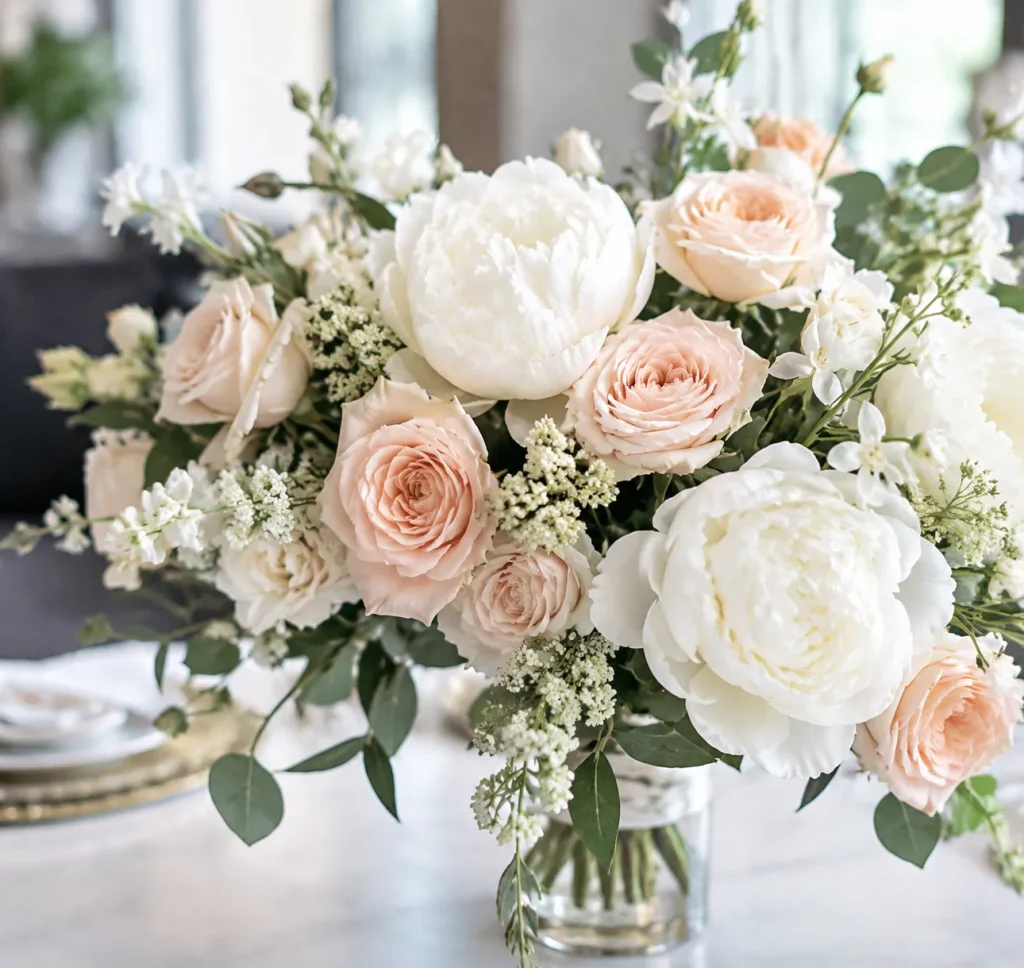
When evaluating fake flowers vs real flowers for wedding photography, modern manufacturing has completely altered the comparison. High-definition cameras routinely catch bruised or wilting petals on fresh cuts, whereas high-grade artificial stems maintain flawless aesthetics from sunrise to the last dance. Under professional photography lenses, top-tier faux blooms look visually identical to fresh stems.
Spotting the Difference: Real-Touch Silk vs. Lower-Grade Faux
Not all artificial florals are built to the same standard. The specific material you choose dictates whether your wedding bouquets look authentic or obviously synthetic under close inspection.
| Feature | Real-Touch Polymer | Silk Flowers | Lower-Grade Plastic / Polyester |
|---|---|---|---|
| Visual Realism | Exceptional (includes organic vein details) | High (soft drape and realistic form) | Low (frayed edges, stiff stems) |
| Tactile Texture | Slightly damp, soft, and flexible | Smooth, soft fabric feel | Rigid, waxy, and synthetic |
| Camera Performance | Zero glare; natural depth | Soft light absorption | Harsh reflections under flash photography |
Material selection makes all the difference for up-close portraits. Upgrading your arrangements with real-touch silk flowers ensures your floral decor carries a soft, natural texture that passes both the eye and touch test.
Color Accuracy, Texture, and Camera Performance
Camera sensors process synthetic materials differently depending on lighting setup and fabric density. In my testing across various venue environments, high-end artificial blooms consistently outperform budget alternatives:
- Flash & Direct Sun: Low-cost craft store plastics bounce camera flashes, creating unwanted synthetic glare. Premium silk and real-touch polymers absorb light organically, matching the visual depth of fresh petals.
- Multi-Tone Coloration: Quality faux stems use hand-painted multi-tone dyeing. Instead of flat, uniform colors, petals feature natural gradients, subtle shade shifts, and realistic edge variations.
- Structural Longevity: Fresh arrangements gradually lose moisture and sag under heavy ambient heat. High-grade faux centerpieces keep their exact form, color accuracy, and volume throughout extended photo sessions.
Practical Considerations: Durability, Allergies, and Environment
When I evaluate wedding logistics, how your blooms hold up to weather, guest health, and post-event storage carries as much weight as aesthetic preference. Practical factors like durability and maintenance often dictate which option makes the most sense for your big day.
Weather Resistance and Stress-Free Transport
Event-day logistics demand floral decor that can handle rough handling and unpredictable climate shifts.
- Artificial Wedding Flowers:
- Weatherproof Performance: Withstand blistering summer heat, direct sunlight, freezing winds, and humidity without wilting or dropping petals.
- Stress-Free Logistics: You can pack, transport, and set up faux floral arrangements weeks in advance. They require zero refrigeration, water source, or last-minute care.
- Fresh Flowers:
- Climate Sensitivity: Heat and direct sunlight rapidly dehydrate natural petals, causing them to droop before the reception even begins.
- Fragile Handling: Delicate stems bruise easily during transport and demand strict temperature control and hydration up until the moment you walk down the aisle.
Allergies and Health Considerations
Guest comfort is essential when setting up dense floral arrangements around dining tables and ceremony arches.
- Pollen Sensitivity: Popular real blooms like lilies, freesias, and heavy-pollen roses regularly trigger seasonal allergies, watery eyes, and sneezing fits among guests and wedding party members.
- Hypoallergenic Security: Premium silk flowers are 100% allergen-free and scent-free. They eliminate health risks completely, keeping everyone comfortable throughout the event.
Environmental Impact and Keepsake Value
Sustainability comes down to a choice between short-term biodegradability and long-term reusability.
| Consideration | Fresh Flowers | Silk / Artificial Flowers |
|---|---|---|
| Environmental Footprint | Biodegradable, but carries a high carbon footprint from global air shipping, pesticides, and refrigeration. | Made from synthetic materials, but reduces waste when reused, resold, or rented. |
| Post-Wedding Utility | Wilts within days; requires costly professional resin or pressing services to preserve. | Ready to use immediately as home decor, keepsake wedding bouquets, or resale items. |
| Durability | Single-use product lasting 1–3 days max. | Indefinite lifespan; maintains shape and color for years. |
How to Make Artificial Flowers Look Natural
Choosing faux stems does not mean settling for an obvious plastic look. I always recommend a few targeted styling techniques to elevate artificial arrangements, ensuring they look completely authentic both in person and through the camera lens.
Mixing Faux Blooms with Fresh Foliage
Blending live greenery with synthetic petals creates an instant illusion of freshness.
- Fresh Greenery Base: Combine faux focal flowers with real eucalyptus, monstera leaves, or olive branches. The natural fragrance and slight organic imperfections of live stems trick the eye and mask synthetic elements.
- Textural Contrast: Pair matte fabric petals against glossy, live foliage to create realistic depth in bouquets and table setups.
- Large Installations: For ceremony structures, blending live foliage with high-grade wedding artificial flowers keeps floral arches looking lush, vibrant, and completely natural from every viewing angle.
Selecting High-Quality Real-Touch Materials
Material quality makes or breaks the appearance of non-fresh blooms. Inferior craft-store stems fray and reflect flash photography, whereas premium materials deliver seamless realism.
- Real-Touch Polyurethane (PU): Replicates the exact weight, flexibility, and velvety texture of fresh calla lilies, orchids, and tulips.
- Hand-dyed Silk: Delivers realistic color gradients, fine veining, and soft light absorption that mirror garden roses and peonies.
- Detailed Stems: Look for flexible, latex-coated wire stems with hand-finished thorns and realistic node details. Sourcing high-grade artificial flowers ensures your arrangements stay structurally sound and photograph flawlessly all day long.
Honest Verdict: Which Should You Choose for Your Big Day?
Deciding between fake flowers vs real flowers comes down to your personal priorities, venue logistics, and budget. Neither option is universally superior; the ideal choice depends on how you weigh tradition and fragrance against convenience, weather resistance, and long-term value.
| Decision Criteria | Real Fresh Flowers | Artificial / Silk Flowers |
|---|---|---|
| Best For | Organic texture & natural fragrance | Weather durability & reusability |
| Maintenance | High (hydration, refrigeration, delicate) | Zero (pre-arranged, stress-free setup) |
| Cost Flexibility | Subject to seasonal price surges | Predictable cost comparison & resale potential |
| Setup Timeline | Strict day-of delivery | Assembled weeks or months in advance |
When to Choose Real Wedding Flowers
I always recommend opting for fresh flowers if sensory authenticity and classic tradition top your list of priorities.
- You Want Natural Fragrance: Nothing truly replaces the delicate scent of real garden roses, freesia, or eucalyptus drifting through your venue.
- You Value Classic Authenticity: For traditions where organic texture and soft petal feel matter most, real blooms deliver unmatched beauty.
- You Have Full Florist Support: If your venue provides refrigeration and your florist handles all day-of care, fresh arrangements remain a seamless choice.
When Fake Wedding Flowers Are the Better Option
Choosing artificial wedding flowers or premium silk flowers makes the most practical sense when convenience and durability take center stage.
- Destination or Extreme Weather Events: Faux blooms resist extreme heat, wind, and humidity without wilting. If you are styling an outdoor lounge or courtyard reception, pairing durable blooms with comfortable patio furniture sets ensures your space looks polished all day.
- Smart Budget Management: Premium faux stems offer clear savings because you can resell them post-event or keep them as cherished decor.
- Allergy Concerns: Artificial stems guarantee a sneeze-free environment for you and your guests throughout the celebration.
The Hybrid Approach: Combining Real and Faux Flowers
You do not have to limit yourself to just one medium. Blending fresh flowers with faux floral decor offers the best balance of aesthetics, budget, and peace of mind.
- Fresh Blooms Up Close: Use fresh stems for personal items like wedding bouquets, corsages, and boutonnieres that guests see and touch up close.
- Faux Blooms for Overhead Decor: Use silk flowers for high wedding centerpieces, photo backdrops, and archways where distance hides subtle material differences.
- Maximum Efficiency: This hybrid mix slashes labor expenses while ensuring your key photos retain the natural charm of fresh blooms.